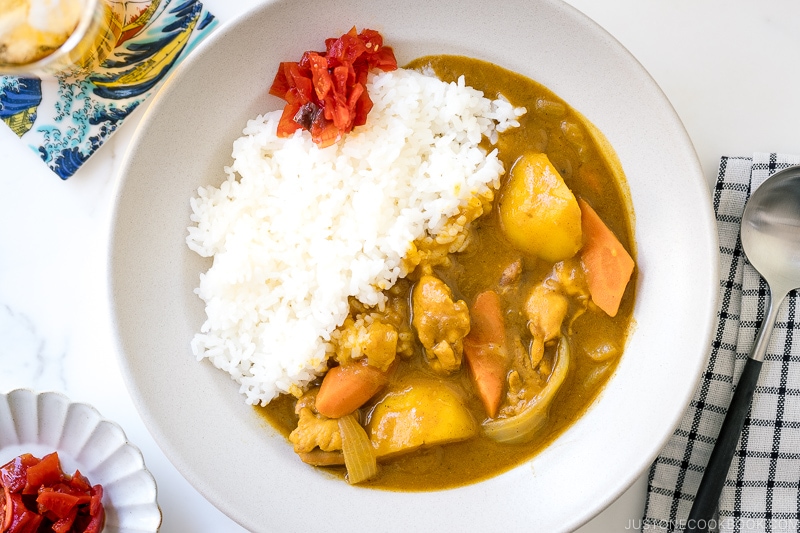
Japanese Chicken Curry: Why It's a Comfort Food Favorite
There are few dishes that evoke such widespread warmth and satisfaction as a hearty bowl of Japanese Chicken Curry. More than just a meal, it's a culinary hug, a taste of home, and a testament to Japan's incredible ability to adapt and perfect foreign influences into something uniquely their own. While many might associate Japan with sushi, ramen, or tempura, for millions of Japanese, and a growing number of enthusiasts worldwide,
Japanese chicken curry rice holds a special place as the ultimate comfort food. But what is it about this particular rendition of curry that makes it so universally beloved? Let's delve into the rich, flavorful world of Japanese curry and discover its enduring appeal.
The Heart of Japanese Comfort: What Makes It Special?
At first glance, one might assume Japanese curry is similar to its Indian or Thai counterparts. However, its distinct character quickly sets it apart. While Indian curries often boast complex spice blends and fresh herbs, and Thai curries lean towards coconut milk and aromatic pastes, Japanese curry offers a milder, sweeter, and profoundly savory experience.
The fundamental difference lies in its preparation, specifically the use of a pre-made curry roux, often sold in blocks or granules. This roux typically combines flour, oil, and a meticulously balanced blend of spices like turmeric, coriander, cumin, fenugreek, and chili powder, alongside enhancers like apple, honey, and sometimes even chocolate or coffee. This unique combination results in a thick, glossy sauce that coats every grain of rice and every tender piece of chicken and vegetable with an umami-rich embrace.
Unlike the fiery kick of some other global curries, Japanese curry aims for a gentle warmth, allowing the depth of flavor to shine through without overwhelming the palate. It's a taste that's both exotic and familiar, intricate yet approachable, making it a perfect entry point for those new to curry or those seeking a milder, more rounded flavor profile. The consistency is also key – a viscous, almost gravy-like texture that clings beautifully to steamed rice, creating that perfect bite every single time. It's this harmonious blend of flavors and textures that solidifies its status as a top-tier comfort dish.
Curious to try making this delicious dish at home? You're in luck! There are fantastic resources available to guide you through the process, ensuring you can recreate that authentic taste. Check out
Crafting Authentic Japanese Chicken Curry Rice at Home for a step-by-step guide.
A Symphony of Flavors: Key Ingredients and Their Roles
The magic of
Japanese chicken curry doesn't just lie in the roux; it's also in the careful selection and preparation of its core ingredients. While variations abound, a classic bowl typically includes:
The Protein: Tender Chicken Perfection
Chicken is the most common protein for Japanese curry, particularly boneless, skinless chicken thighs. Their higher fat content keeps them succulent and flavorful even after simmering, absorbing the curry sauce beautifully. While chicken breast can be used, thighs are generally preferred for their texture and richness. The chicken is usually cut into bite-sized pieces, often browned slightly before simmering to develop deeper flavor.
The Holy Trinity of Vegetables: Aromatic Foundation
No Japanese curry would be complete without its foundational vegetables:
- Onions: Sautéed until caramelized, onions provide a crucial sweet and savory base, adding depth and a natural sweetness to the sauce. This step is vital for developing the rich flavor profile.
- Carrots: Diced or sliced into chunky pieces, carrots offer a touch of sweetness and vibrant color, becoming tender yet still holding their shape after simmering.
- Potatoes: Hearty and comforting, potatoes absorb the curry sauce wonderfully, adding a starchy creaminess and making the dish incredibly filling. They are usually added later in the cooking process to prevent them from turning mushy.
The Roux: The Secret Sauce of Success
As mentioned, the pre-made curry roux blocks (like S&B Golden Curry, House Vermont Curry, or Java Curry) are the cornerstone. These blocks dissolve easily into hot liquid, thickening the sauce and imparting that distinctive Japanese curry flavor. They come in various spice levels �� mild, medium, hot, and extra hot – allowing for personalized heat preferences. Each brand also has a slightly different flavor profile, encouraging experimentation to find your personal favorite.
Optional Enhancers: Unlocking Deeper Dimensions
Many home cooks and restaurants add secret ingredients to deepen the complexity of their
Japanese chicken curry rice. These can include:
- Grated Apple/Honey: For a subtle sweetness and fruity notes, enhancing the curry's characteristic mildness.
- Soy Sauce/Worcestershire Sauce: To add umami and a savory tang.
- Ketchup/Tomato Paste: For a touch of acidity and richness.
- Coffee/Dark Chocolate: A surprising but effective addition to add a deeper, more robust color and bitter complexity that balances the sweetness.
These additions, often made during the simmering stage, contribute to the layered flavor profile that makes Japanese curry so satisfying.
Beyond the Bowl: The Cultural Significance of Curry Rice
Japanese curry isn't just a dish; it's a cultural phenomenon. Introduced to Japan during the Meiji era by the British (who had, in turn, adapted it from India), curry was initially a Western-style dish, far removed from traditional Japanese cuisine. However, over time, it was meticulously adapted to suit Japanese tastes and ingredients, transforming into the beloved
curry rice we know today.
Its ubiquity in Japanese society is remarkable. It's a staple in:
- School Lunches: Many Japanese adults recall fond memories of school cafeteria curry, cementing its place as a nostalgic comfort food from childhood.
- Home Kitchens: Easy to prepare and universally loved, it's a go-to weeknight meal for families across the country. The convenience of curry roux blocks makes it accessible even for novice cooks.
- Restaurants: From specialized curry shops (like CoCo Ichibanya) to casual diners and even high-end establishments, curry rice holds a prominent spot on menus.
- Convenience Stores (Konbini): Ready-made curry rice is a popular grab-and-go option, showcasing its everyday appeal.
This widespread presence means that
Japanese chicken curry isn't just food; it's a symbol of home, warmth, and shared experiences. It's the meal you crave when you're feeling under the weather, the dish that brings the family together, and the familiar taste that offers solace and contentment. Its straightforward yet profoundly satisfying nature ensures its status as a timeless comfort food.
To truly appreciate the depth of flavor in this iconic dish, understanding the nuances of its preparation is key. Discover more about how to bring out the best in your homemade curry by reading
Unlock the Rich Flavor of Japanese Chicken Curry Rice.
Crafting Your Own Bowl of Bliss: Tips for the Home Cook
Making authentic
Japanese chicken curry rice at home is surprisingly straightforward, thanks to the convenience of curry roux. Here are some tips to elevate your homemade version:
- Sauté Aromatics Thoroughly: Don't rush the onions. Sautéing them slowly until deeply golden or even slightly caramelized (without burning) will add incredible sweetness and depth to your curry.
- Brown the Chicken: Briefly browning the chicken pieces before adding liquid helps develop a richer flavor and better texture. You don't need to cook them through, just get some color on the outside.
- Chop Vegetables Evenly: Cut your potatoes, carrots, and any other vegetables into roughly similar-sized pieces to ensure they cook evenly. Add harder vegetables like carrots first, then potatoes.
- Dissolve Roux Off Heat: Once your vegetables are tender, remove the pot from the heat before adding the roux blocks. Break them into smaller pieces to help them dissolve smoothly, preventing lumps. Stir continuously until fully integrated, then return to low heat to thicken.
- Simmer for Flavor: After the roux has dissolved, let the curry simmer gently for at least 10-15 minutes (or longer if time permits) on low heat. This allows the flavors to meld and the sauce to thicken perfectly. Stir occasionally to prevent sticking.
- Adjust Consistency: If your curry is too thick, add a little hot water or chicken broth until desired consistency is reached. If it’s too thin, you can simmer it a bit longer, or add a small amount of cornstarch slurry (cornstarch mixed with cold water) and simmer until thickened.
- Serve with Sides: Traditionally, Japanese curry is served over steamed short-grain rice, often accompanied by fukujinzuke (pickled daikon and other vegetables) or rakkyo (pickled shallots) for a tangy counterpoint. For an extra treat, serve it with a crispy chicken katsu (fried breaded chicken cutlet) on top – known as Katsu Curry!
- Refrigerate for Deeper Flavor: Like many stews, Japanese curry often tastes even better the next day, as the flavors have more time to meld and deepen in the refrigerator.
Conclusion
Japanese Chicken Curry is more than just a delicious meal; it's an experience rooted in comfort, tradition, and culinary innovation. Its mild yet complex flavor profile, tender chicken, hearty vegetables, and velvety sauce create a symphony of tastes and textures that appeal to all ages. From nostalgic school lunches to quick home dinners and elaborate restaurant offerings,
Japanese chicken curry rice has firmly established itself as a true comfort food favorite, offering a warm embrace in every single spoonful. So, whether you're a seasoned fan or a curious newcomer, grab a bowl and discover the comforting magic of Japanese curry – it's a dish that truly nourishes the soul.